What is actually on the door
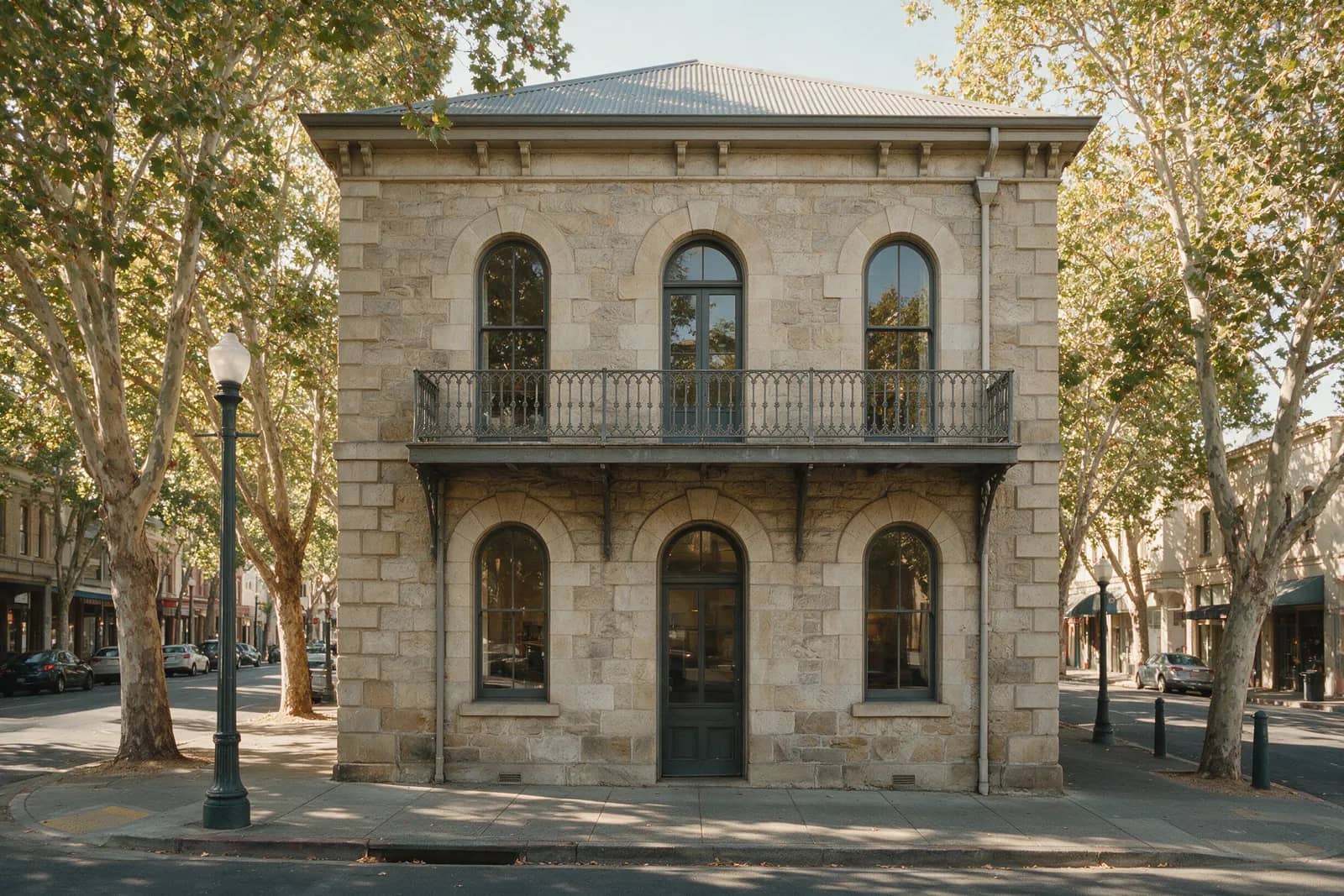
Santa Rosa has two clusters of old hardware, and they are not the same age. West of Hwy 101, the houses and apartments around Railroad Square date to the early 1900s and carry mortise locks: a rectangular steel case let into the edge of the door, with a knob spindle, a latch and a separate bolt inside one body. Some still have the rim lock screwed to the inside face of the door, worked by a skeleton key. The doors are thick, the wood is old-growth, and the hardware was made to be serviced.
East of downtown, the 1950s streets around Montgomery Village carry the first generation of bored locks: the round Schlage and Kwikset knobs that went into a single hole in the door and made the mortise obsolete. They are seventy years old now. The springs are tired, the latch bolts are worn round, and the keyways have been cut so many times that a similar key from three houses down will often turn them. Two kinds of old, two kinds of fix.
Service before replace: what a mortise case needs
A mortise lock that has stiffened or stopped latching is rarely finished. The case comes out of the door, the old grease is cleaned off, a broken spring is replaced, and the case goes back with the latch and bolt tracking true. The cylinder, where there is one, can be rekeyed like any other, at $19–$34. Where the lock takes a skeleton key, a new key can be filed to the wards by hand if the tech has a blank that fits.
The reason to service instead of replace is not sentiment. A modern bored lock in a hundred-year-old door means cutting a new hole through wood that will never be replaced, and the pocket left by the mortise case has to be filled or covered with a plate. A serviced mortise lock in a sound door will run another forty years. The exception is a case that has cracked or a door that has split around it, and the tech will say which it is before touching anything.
The 1950s knob problem in Montgomery Village
The mid-century knob is a different story. It was never meant to last seventy years, and the way it fails is not dramatic: the key still turns, the latch still catches, and the owner assumes the door is locked. It is not, in any meaningful sense. The pins are worn down until almost any key of the same brand rocks the plug open, and the latch is a spring bolt with no dead-locking pin that a card or a putty knife moves aside.
The fix is a deadbolt above the knob, which most of these houses never had. Lock replacement runs $89–$245 per door, and a good bolt with a strike screwed three inches into the stud is at the lower half of that. Owners who like the original knob can keep it as the latch and let the bolt do the locking. Owners who want the knob to lock as well can have a new cylinder pinned so knob and bolt run on one key.
Adding a deadbolt without ruining an old door
Putting a bolt in an old door is measurement, not force. The bore has to land in solid wood, clear of the mortise pocket below it and the rail joint above it, and the backset has to match the existing knob so the two look intentional. On a Railroad Square door the stile is often wide enough for a full-size bolt; on a thin 1950s slab it may need a narrow-backset bolt or a surface-mounted one. The strike is set plumb in the jamb so the bolt does not scrape.
A bolt that is seated right in an old door throws with two fingers and sits flush. One that is forced in leaves a split at the edge that widens every dry August. The extra half hour spent on the fit is why the tech will not quote an old-door install as a fifteen-minute job, and why the price is named after the door is described, not before.
Keys cut to an old lock
Old locks come with a specific request: more keys. An antique dealer in Railroad Square wants a working key for the wardrobe lock on a piece they are selling. A Montgomery Village homeowner has one key to the original back door and it is bent. Where a blank exists, a key can be hand-cut on the van to the existing lock, fitted and tested until it turns without a wiggle. Where no blank exists, the honest answer is a new cylinder in the old case, which keeps the look and gives you a key that can be copied at any hardware store.
What is not done is cutting a key to a lock nobody can prove is theirs. The tech asks who owns the door or the piece, the same way on a lockout. That is a small delay on an honest job and a wall on a dishonest one.
What it costs, door by door
Servicing a mortise case and rekeying its cylinder lands at the rekey rate, $19–$34 per cylinder, plus any part the case needed. A new cylinder in an old mortise case runs toward the lower end of lock replacement at $89–$245. A deadbolt added to a 1950s door sits in the same range. A house lockout on either kind of lock is $99–$175, opened non-destructively; drilling an old mortise cylinder is a last resort and only happens after you say yes.
All of it starts with the $89 service call, applied toward the work, and all of it is sealed on the call once the door is described. The one thing that helps most is a photo. Send a picture of the edge of the door and the inside face, and the tech loads the right cases, cylinders and blanks before leaving. An old door deserves one visit done with patience, not two visits done fast.
Quick answers
Can a mortise lock from the 1900s be rekeyed?+
If it has a pin cylinder, yes, at the standard $19–$34. If it takes a skeleton key, it is a warded lock and cannot be rekeyed in the usual sense. A new key can be hand-cut to it, or a modern cylinder can be fitted into the old case.
Do the original 1950s knobs in Montgomery Village have to be replaced?+
Not necessarily. The knob can stay as the latch and a new deadbolt above it can do the locking, which keeps the look and fixes the security. Replacing the knob only makes sense when the latch no longer catches or the plug is worn past pinning.
Will adding a deadbolt damage an old wood door?+
Not if the bore is placed in solid wood clear of the mortise pocket and the strike is set plumb. That is a measurement job and takes longer than on a new door, which is why the tech asks for a photo of the door edge before naming the price.
Need it handled rather than read about?
(707) 324-5904More guides